
Short Answer
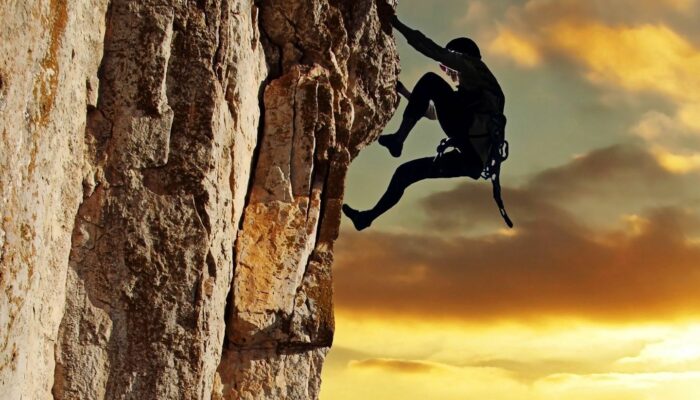
Climbing is often viewed as a rigorous physical endeavor, an activity that demands strength, endurance, and a spirit of adventure. However, when this act manifests within the subconscious realm of dreams, it transcends physical exercise to become a powerful metaphor for the human experience. The act of scaling heights can evoke a wide spectrum of emotions, ranging from the exhilaration of achievement to the paralyzing fear of a fall, reflecting the dreamer’s internal state and spiritual journey.
Psychological Interpretations of Climbing
From a psychological perspective, climbing is most frequently associated with ambition, achievement, and personal growth. The ascent serves as a mirror to the dreamer’s efforts to overcome obstacles in their waking life.
Striving for Success
Dreams of climbing are commonly perceived as representations of the struggle for success. Whether scaling a mountain or a ladder, the effort involved reflects the hard work and perseverance required to reach a specific goal. If the climb feels rewarding, it may indicate progress toward one’s aspirations; conversely, a grueling climb may highlight the arduous nature of the dreamer’s current path.
Emotional Struggles and Resilience
Not all ascents are positive. Climbing can also symbolize a grapple with anxiety, stress, or insecurity. For some, the height invokes a fear of failure or the feeling of being overwhelmed by life’s demands. In therapeutic contexts, climbing may represent the journey through trauma. A successful ascent in such a dream often symbolizes healing, self-acceptance, and the reclamation of one’s personal narrative, showcasing the psyche’s innate tenacity.
Spiritual and Cultural Symbolism
Across various global belief systems, climbing is viewed as a transition from the mundane to the divine. Heights are traditionally associated with the “higher self” or a connection to a greater cosmic power.
Religious Perspectives
| Tradition | Symbolic Meaning of Climbing |
|---|---|
| Christianity | A pilgrimage toward spiritual enlightenment or redemption, echoing biblical narratives like Moses on Mount Sinai. |
| Islam | The pursuit of divine knowledge and wisdom, where ascending represents moral and spiritual uprightness. |
| Hinduism | A reflection of karma and dharma; the climb represents the path toward moksha (liberation from rebirth). |
Interpersonal and Social Dynamics
The context of the climb—specifically who accompanies the dreamer—can alter the interpretation. Dreams involving climbing with others often underscore:
- Shared Goals: Working together to reach a peak suggests collaborative success.
- Support Systems: Being helped up a cliff may reflect the dreamer’s reliance on or appreciation for their community.
- Competitive Drive: Racing another person to the top may indicate social competition or a desire for status.
Conclusion
Ultimately, the dream meaning of climbing is a complex tapestry woven from ambition, spirituality, and psychological resilience. Whether it is a steep mountain of challenge or a steady climb toward enlightenment, these dreams beckon the individual to explore the hurdles and triumphs that define their unique ascent in life.
FAQ
What does it mean if I fail to reach the top while climbing in a dream?
This may reflect feelings of inadequacy, a fear of failure, or the sense that a current goal in your waking life is currently unattainable.
Is climbing in a dream always a positive sign?
Not necessarily. While it often represents growth, it can also symbolize the stress and exhaustion associated with striving too hard for success.
Does the type of surface being climbed matter?
Yes. Climbing a ladder often suggests a structured career path, while climbing a mountain may represent a more spiritual or monumental life challenge.





Leave a Reply