
Short Answer
Understanding the Symbolism of Celebration in Dreams
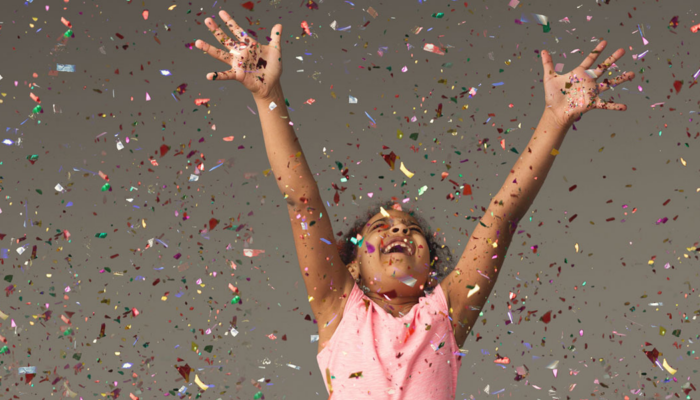
Celebration in the waking world transcends mere festivity; it is an evocative tapestry woven from human emotion, aspiration, and collective memory. When these themes migrate into the dream state, they function as potent symbols that reflect the dreamer’s internal landscape. Dreaming of a celebration often serves as an externalization of inner expectations, suggesting that the subconscious is processing ambitions, milestones, and the desire for progress.
From a psychological perspective, the act of celebrating within a dream often indicates an optimistic outlook on life. It may encapsulate a longing for future achievements or signify a successful transition in the dreamer’s waking life. By analyzing the context of the celebration, one can uncover deeper insights into their own emotional state and spiritual trajectory.
Psychological Perspectives on Festive Dreams
The psychological implications of celebration are profound, serving as vital emotional releases. In the realm of dream analysis, these scenarios often represent the following:
- Emotional Catharsis: Dreams of joy and triumph can help the mind process stress and mitigate anxiety by simulating a positive outcome.
- Positive Reinforcement: Celebrating a success in a dream can bolster self-esteem and create a mental pathway for motivation in waking endeavors.
- Social Cohesion: Since celebrations are inherently communal, these dreams often highlight the dreamer’s need for belonging, social support, and the reinforcement of interpersonal relationships.
Celebrations in dreams act as markers of completed journeys and predictors of uncharted paths, manifesting the essence of how we coexist with our own destiny.
Spiritual and Cultural Interpretations
The meaning of celebration is often deeply intertwined with the dreamer’s spiritual beliefs and cultural heritage. Different traditions offer varying lenses through which to interpret these symbols:
Abrahamic Traditions
In Christianity, dream celebrations may resonate with themes of divine grace, renewal, and hope. They often mirror the communal joy found in observances like Easter or Christmas, symbolizing a covenant or a promise of spiritual enlightenment.
In Islam, the symbolism of celebration is often linked to devotion and community, mirroring the essence of Eid al-Fitr and Eid al-Adha. Such dreams may reflect a sense of gratitude and the reaffirmation of faith and communal bonds.
Indigenous and Naturalistic Perspectives
Many Indigenous cultures view celebration as a means of aligning human activity with the rhythms of the Earth. Dreams involving harvest festivals or solstices may signify an appreciation for abundance and a deep-seated connection to ancestral heritage and the natural cosmos.
Summary Table: Common Celebration Symbols
| Dream Element | Potential Meaning |
|---|---|
| Crowds & Guests | Need for social validation or community support. |
| Feasting/Food | Abundance, spiritual nourishment, or emotional satisfaction. |
| Music & Dancing | Harmony, emotional release, and alignment with one’s true self. |
| Milestones (Weddings/Birthdays) | Personal growth, new beginnings, or fear of aging. |
Conclusion
The multifaceted meaning of celebration in dreams encompasses an intricate interplay between present experiences and future expectations. Whether viewed through the lens of psychology, spirituality, or cultural study, these dreams remind us that our aspirations are deserving of recognition. By embracing the joyful moments that punctuate our subconscious journeys, we honor not only the culmination of our efforts but also the hopeful prospects of growth and connection that lie ahead.
FAQ
Is dreaming of a celebration always a positive sign?
Generally, yes, as it reflects optimism and success. However, if the dreamer feels anxious during the celebration, it may indicate a fear of failure or social anxiety.
Why do I dream of celebrations when I am stressed?
Psychologically, these dreams can serve as a compensatory mechanism, providing the mind with a sense of reward and relief that is missing in waking life.
Do cultural backgrounds affect the meaning of these dreams?
Yes, the specific type of celebration (e.g., a religious festival vs. a nature-based harvest) often reflects the dreamer's cultural values and spiritual upbringing.




Leave a Reply