
Short Answer
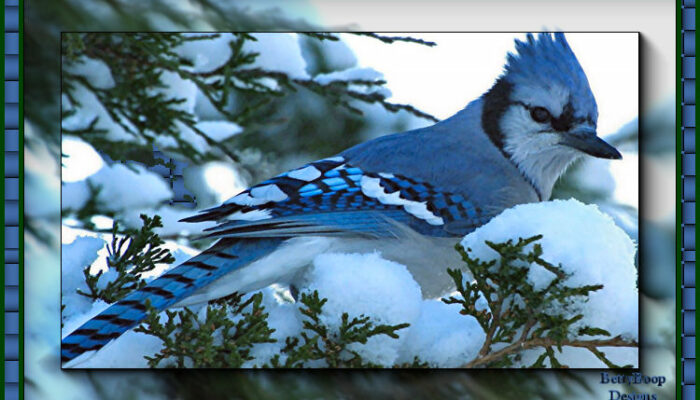
Birds have long captured the human imagination, symbolizing freedom, transcendence, and the possibility of soaring to new heights. Their ethereal presence in dreams can evoke a wide spectrum of emotions, ranging from profound joy to quiet melancholy. Encountering birds in the subconscious realm often serves as a catalyst for introspection, creativity, and personal growth.
The Logic of Avian Symbolism
At its core, the interpretation of birds in dreams can be understood through a simple yet profound syllogism: the presence of birds embodies freedom, and freedom typically elicits happiness. Consequently, dreaming of birds often signifies an emerging sense of liberation and emotional well-being in the dreamer’s waking life.
Common Symbolic Interpretations
Symbolically, birds represent the lofty aspirations humans hold—the desire for ascension, exploration, and the urge to break away from earthly constraints. The specific type of bird often alters the meaning of the dream:
- Eagles: Often emblematic of great strength, resilience, and high perspective.
- Sparrows: May convey messages of community, vigilance, and humility.
- Canaries and Robins: Frequently signify hope, reinvigoration, and the arrival of new beginnings.
- Cranes: In many Asian cultures, these are symbols of longevity and prosperity.
Furthermore, the visual characteristics of the bird—such as vibrant colors, size, and specific actions—add layers of nuance. For instance, vivid hues may reflect the intensity of the dreamer’s current emotional state.
Spiritual and Cultural Perspectives
Birds carry deep spiritual significance across various religious and indigenous traditions, often acting as intermediaries between the earthly and the divine.
Religious Traditions
| Tradition | Symbolism | Meaning |
|---|---|---|
| Christianity | The Dove | Peace, purity, and the presence of the Holy Spirit. |
| Islam | The Hoopoe | Wisdom, enlightenment, and divine guidance. |
| General Spiritual | Crows/Ravens | Omens requiring reflection or warnings of upcoming challenges. |
Indigenous and Cultural Omens
In the indigenous cultures of North America, the owl is often viewed as a harbinger of change, suggesting the dreamer should tap into their intuitive wisdom. Similarly, migratory birds across various cultures signal transitions, urging the individual to embrace change rather than resist it.
Psychological Implications
From a psychological standpoint, birds often personify thoughts, feelings, or aspirations that “flutter” within the subconscious mind. The state of the bird is particularly telling:
A bird in flight typically indicates a longing for freedom or a desire to escape confining situations. Conversely, a caged bird may symbolize repressed emotions, unfulfilled potential, or a feeling of being trapped in one’s current circumstances.
Watching birds glide through the sky can induce a sense of tranquility, reflecting the therapeutic power of nature. Such dreams may also evoke nostalgia or a sense of wistfulness regarding the passage of time and the fleeting nature of life’s moments.
Conclusion: Embracing the Flight
Ultimately, the dream meaning of birds is multifaceted, steeped in historical nuance and psychological depth. Whether they appear as spiritual messengers or reflections of inner longing, birds remind us of the omnipresent human desire for liberation. By observing these avian symbols with curiosity, dreamers can find a path toward emotional healing, clarity, and the courage to pursue their highest aspirations.
FAQ
What does it mean if I dream of a caged bird?
A caged bird typically symbolizes feelings of restriction, repressed emotions, or a sense of being trapped in a waking-life situation.
Are all birds in dreams positive signs?
Not necessarily. While many signify freedom, some birds like crows or owls can be omens of change, warnings, or a call for deeper introspection depending on the cultural context.
Why do I dream of birds flying away?
This often represents a transition, the loss of an opportunity, or a desire to leave a current phase of life behind.


Leave a Reply