
Short Answer
Introduction
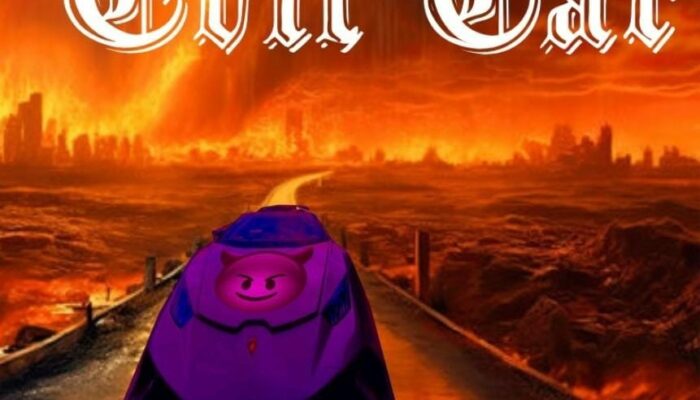
Dreams that place the dreamer in a vehicle alongside a malevolent figure are striking and often unsettling. Because cars represent personal agency, direction, and the pace of life, the addition of an evil presence creates a layered narrative that can be read through spiritual, cultural, and psychological lenses.
Symbolism of Cars in Dreams
Across many dream‑analysis traditions, a car functions as a metaphor for the self’s journey. It can denote:
- Control – the driver’s ability to steer, accelerate, or stop.
- Life path – the road or destination reflects goals, aspirations, or obstacles.
- Autonomy – ownership of the vehicle suggests independence, while being a passenger can signal reliance on others.
When the vehicle is shared with an evil entity, the symbolism of the car is overlaid with themes of danger, temptation, or internal conflict.
Spiritual and Cultural Interpretations
Christianity
Christian tradition often frames evil as a force that diverts believers from the “narrow path” (Matt. 7:14). In a dream, a car occupied by a demonic or sinful figure may represent a spiritual derailment, urging the dreamer to examine personal temptations and realign with moral values.
Islam
Islamic dream literature links the nafs (inner self) with moral struggle. Traveling with a malign presence can symbolize the ongoing battle between lower desires and the pursuit of righteousness, prompting self‑reflection and corrective action.
Hinduism
Within Hindu symbolism, evil often denotes avidyā—ignorance that obscures self‑realization. A car ridden alongside ignorance suggests a path that is veering away from spiritual insight, encouraging the seeker to pursue knowledge and inner clarity.
Psychological Perspectives
Freudian View
Sigmund Freud interpreted dream elements as expressions of repressed wishes and anxieties. An evil passenger may be an outward projection of unconscious fears, while the car reflects the ego’s attempt to navigate these hidden impulses.
Jungian View
Carl Jung emphasized archetypes and the shadow—the part of the psyche containing disowned qualities. The malevolent figure in the car is often a manifestation of the shadow, inviting integration rather than avoidance. Confronting this figure can lead to greater psychological wholeness.
Contemporary Interpretation
Modern dream researchers note that the emotional tone of the dream (fear, dread, curiosity) and situational details (speed, traffic, relationship to the driver) are crucial. A feeling of being trapped may point to real‑life stressors, whereas a calm interaction could suggest an unconscious negotiation with one’s darker traits.
Key Factors Shaping the Meaning
- Identity of the evil figure – recognizable villains (e.g., Joker, Voldemort) may reflect cultural associations, whereas a faceless shadow emphasizes personal inner conflict.
- Role in the car – driver versus passenger changes the balance of control.
- Road conditions – smooth highways suggest manageable challenges; winding or broken roads indicate heightened anxiety.
- Emotional response – terror, curiosity, or acceptance each color the interpretation.
Conclusion
Dreams of being with evil in a car intertwine universal symbols of movement with the timeless motif of darkness. Whether read through religious doctrine, Jungian analysis, or personal emotional cues, the image serves as an invitation to examine one’s direction, confront hidden aspects of the self, and choose a path that aligns with deeper values.
FAQ
What does it mean if I am driving the car with an evil passenger?
Driving suggests you feel responsible for the direction of your life. An evil passenger may indicate that you are confronting a personal fear or temptation while still maintaining control.
Is the presence of a known villain (e.g., Joker) significant?
Recognizable villains often reflect cultural associations. They can amplify the sense of danger or highlight specific traits—chaos, manipulation, or betrayal—that you associate with that character.
Can this dream be a warning about real‑world danger?
Dreams rarely predict external events directly. Instead, they usually symbolize internal states such as anxiety, feeling trapped, or unresolved conflict.
How can I use this dream for personal growth?
Reflect on the emotions felt during the dream and identify any current situations where you feel out of control or tempted. Journaling or discussing the dream with a therapist can help integrate the shadow aspects it reveals.



Leave a Reply