
Short Answer
Introduction
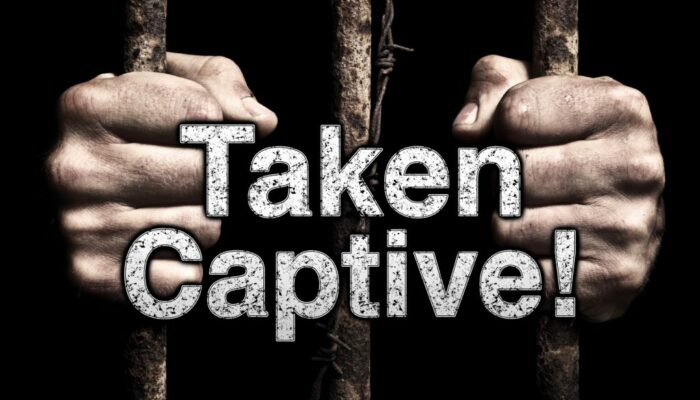
Dreams have long served as mirrors of the subconscious, revealing emotions and conflicts that may be hidden in waking life. Among the many themes that surface, the experience of being captive—whether physically, emotionally, or spiritually—stands out as a powerful metaphor for perceived limitation.
Literary Illustrations of Captivity
Characters such as Jean Valjean from Victor Hugo’s Les Misérables and Katniss Everdeen from Suzanne Collins’s The Hunger Games exemplify the struggle against confinement. Valjean’s journey from a condemned convict to a compassionate citizen mirrors the transformative potential of overcoming personal shackles, while Katniss’s rebellion against an oppressive regime highlights the modern tension between individual liberty and societal control.
Logical Framework
If being captive in a dream symbolizes restriction, and the dreamer experiences restriction in waking life, then the dreamer may dream of captivity.
This simple syllogism underscores the direct relationship between lived experience and dream imagery.
Symbolic Interpretation
In the symbolic language of dreams, captivity can represent:
- External constraints such as demanding jobs, unhealthy relationships, or societal expectations.
- Internal barriers like self‑doubt, fear of failure, or unresolved trauma.
- Emotional states of helplessness, anxiety, or depression.
These symbols prompt the dreamer to recognize and address the forces that limit personal growth.
Spiritual Perspectives
Christianity
Christian tradition often frames captivity as spiritual bondage—the state of being held by sin. Biblical passages such as John 8:36, “So if the Son sets you free, you will be free indeed,” contrast this bondage with the promise of liberation through Christ. A dream of imprisonment may therefore reflect a feeling of moral or spiritual entrapment, while an act of escape can symbolize a desire for redemption.
Islam
In Islamic dream interpretation, captivity can indicate a soul seeking guidance or a lack of spiritual awareness. The struggle to break free may represent the believer’s effort to realign with Allah’s will, echoing Qur’anic encouragement to pursue knowledge and repentance. Such dreams are viewed as reminders to strengthen one’s faith and moral resolve.
Psychological Insights
Freud and Jung both emphasized that dreams disclose repressed content. From a Freudian standpoint, captivity may signify repressed sexual or aggressive impulses that feel “trapped” by societal norms. Jungian analysis interprets the captive as an archetype of the Shadow—aspects of the self that are denied or ignored. In both cases, the dream urges integration of these hidden parts to achieve psychological wholeness.
Practical Guidance for Interpreting Captivity Dreams
- Identify the source of restriction. Ask yourself whether the feeling stems from an external situation (e.g., a job) or an internal belief (e.g., fear).
- Examine the emotions felt in the dream. Anxiety, anger, or calmness can point to different underlying issues.
- Notice any actions taken to escape. Successful liberation may signal hope and agency; failure may highlight areas needing attention.
- Reflect on spiritual or moral themes. Consider whether the dream resonates with feelings of sin, repentance, or spiritual yearning.
By systematically exploring these facets, the dreamer can transform a distressing image into a roadmap for personal development.
Conclusion
The meaning of a dream about being captive is multifaceted, intertwining symbolic, spiritual, and psychological dimensions. Whether the dream echoes external pressures, internal doubts, or a yearning for spiritual freedom, it offers a valuable prompt for introspection. Like Valjean’s redemption or Katniss’s rebellion, recognizing and confronting the chains in our dreams can illuminate the path toward genuine liberation.
FAQ
What does it mean when I dream of being locked in a jail cell?
It often reflects feelings of restriction in waking life, such as a demanding job or an unhealthy relationship.
Can a captivity dream indicate spiritual issues?
In many religious traditions, being captive symbolizes spiritual bondage or a need for repentance and renewal.
How do Freud and Jung differ in interpreting captivity dreams?
Freud links the image to repressed desires and societal constraints, while Jung sees it as an expression of the Shadow archetype seeking integration.




Leave a Reply