
Short Answer
Understanding the Symbolism of Being Barefoot in Dreams
Within the complex tapestry of human dreaming, the act of being barefoot serves as a profound motif with multifaceted interpretations. Far from being a simple detail of dress, the absence of footwear in a dream often encapsulates a blend of physical, emotional, and spiritual dimensions. Whether the experience feels liberating or distressing, dreaming of being barefoot invites a deep reflection on one’s current life journey and psychic state.
In our waking lives, shoes provide protection, status, and a barrier between ourselves and the earth. Consequently, shedding these shoes in a dream environment can signify a return to innocence, an expression of raw authenticity, or a sudden exposure to the elements of life. These interpretations vary significantly based on the dreamer’s cultural background and emotional context.
The Logic of Barefoot Dreams: A Syllogistic Approach
To analyze the subconscious intent behind these dreams, we can apply a logical framework to understand how the mind connects symbols to emotions:
Premise 1: Dreams are manifestations of our subconscious thoughts and suppressed feelings.
Premise 2: The state of being barefoot symbolizes a lack of protection, a desire for freedom, or a state of authenticity.
Conclusion: Therefore, dreaming of being barefoot often signifies a subconscious negotiation between the desire for liberation and the fear of vulnerability.
Cultural and Spiritual Interpretations
The meaning of barefootedness transcends modern psychology, finding deep roots in various global traditions and spiritual texts.
Grounding and Nature
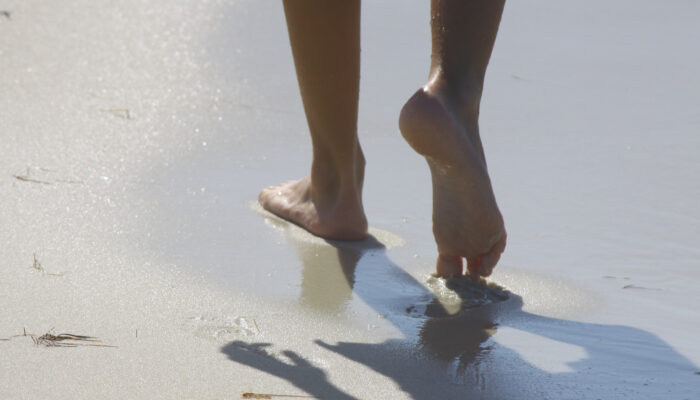
In many indigenous practices, walking barefoot is synonymous with grounding. This is the act of fostering an intimate, physical connection with the Earth. In a dream, this may suggest a need to reconnect with nature, surrender to the natural flow of life, and acknowledge the elemental forces that sustain human existence.
Sacredness and Humility in Religious Texts
Different faith traditions view the removal of shoes as a gesture of reverence:
- Biblical Context: In the Judeo-Christian tradition, removing sandals often denotes the holiness of a location. A primary example is Moses being instructed to remove his shoes before the burning bush, signifying that the ground had become sacred. Here, being barefoot represents divine communion and humility.
- Islamic Perspective: Barefootedness is frequently associated with purity and spiritual preparation. The practice of ablutions before prayer emphasizes cleanliness; thus, walking barefoot in a dream may symbolize a spiritual journey undertaken with intention, devotion, and a stripped-down ego.
Simplicity and Authenticity
Across various cultures, the choice to go barefoot is a metaphor for a minimalist lifestyle. It encourages the individual to transcend societal expectations and embrace a more authentic version of the self, suggesting that the path to enlightenment often requires shedding the “trappings” of social status.
Psychological Perspectives on Barefootedness
From a psychological standpoint, the interpretation of being barefoot typically splits into two primary emotional directions: insecurity and liberation.
Vulnerability and Exposure
For many, being barefoot in a dream triggers a sense of anxiety. Because shoes protect us from injury and hide our feet, their absence can mirror feelings of exposure. This may indicate:
- Underlying insecurities regarding self-worth.
- A fear of being “found out” or judged by others.
- Feeling unprepared for a challenging situation in waking life.
Liberation and Self-Discovery
Conversely, if the dream feels pleasant or freeing, being barefoot represents a break from societal constraints. It symbolizes a desire to live authentically and a willingness to embrace one’s true identity without the masks or “armor” provided by societal norms. This is often a sign of a journey toward self-discovery and emotional honesty.
The Need for Grounding
Psychologists also note that barefoot dreams can be a call for mindfulness. If a dreamer feels overwhelmed by the abstract stresses of modern life, the subconscious may manifest a barefoot state to signal a need to reconnect with bodily sensations and the immediate physical reality of the present moment.
Summary Table: Barefoot Dream Meanings
| Emotional Tone | Potential Meaning | Psychological/Spiritual Driver |
|---|---|---|
| Anxious/Cold | Vulnerability | Fear of judgment or lack of protection |
| Peaceful/Warm | Liberation | Desire for authenticity and freedom |
| Reverent/Solemn | Humility | Spiritual awakening or divine connection |
| Natural/Earthly | Grounding | Need for stability and nature connection |
Conclusion: Embracing the Journey
The dream meaning of being barefoot is a rich, layered experience that weaves together the psychological, the spiritual, and the cultural. Whether it manifests as a frightening lack of protection or a blissful sense of freedom, it ultimately serves as a mirror to the dreamer’s internal state. By analyzing these dreams, individuals can uncover hidden insights into their needs for security, their yearning for authenticity, and their connection to the world around them.
FAQ
Is dreaming of being barefoot always a bad sign?
No. While it can represent vulnerability or anxiety, it can also symbolize freedom, purity, and a strong connection to nature depending on the emotion felt in the dream.
What does it mean if I lose my shoes in a dream?
Losing shoes often signifies a loss of direction, a feeling of being unprepared, or a transition period where you are shedding an old identity.
Why do I feel vulnerable when barefoot in my dreams?
Shoes act as a psychological and physical barrier. Their absence represents a lack of protection against the 'harshness' of the external world or social judgment.





Leave a Reply