
Short Answer
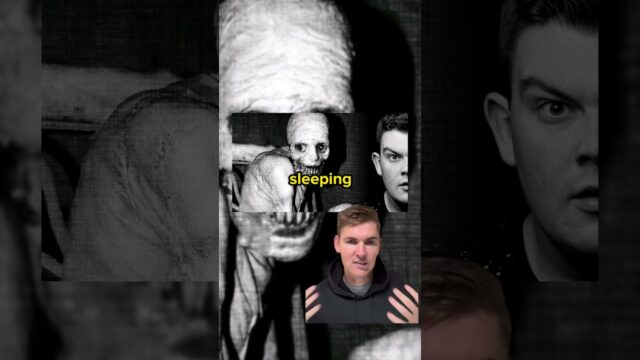
The Russian Sleep Experiment stands as one of the most enduring and chilling urban legends of the digital age. Originating as a “creepypasta,” the narrative describes a mid-20th century Soviet study where prisoners were kept awake for weeks using an experimental stimulant gas. According to the tale, the subjects descended into madness, engaged in self-mutilation, and underwent grotesque physical transformations. While the story is a work of fiction, analyzing it through the lenses of biology, history, and ethics provides a fascinating look at the limits of human endurance.
Historical Context and Plausibility
To understand why this legend resonates, one must look at the historical climate of the mid-20th century. The Soviet Union was known for its rigorous, and occasionally inhumane, scientific pursuits during the Cold War era. The drive for psychological and physiological superiority led to various endurance tests and conditioning programs.
While the specific “Sleep Experiment” is fictional, real-world parallels exist. Covert operations such as the CIA’s Project MKUltra pushed the boundaries of ethical research, exploring mind control and sensory deprivation. This historical precedent creates a “veneer of plausibility” that allows the legend to persist despite a lack of archival evidence.
The Science of Sleep Deprivation
Sleep is a fundamental biological necessity required for cellular repair, memory consolidation, and metabolic regulation. In a hypothetical scenario where humans are chemically prevented from sleeping, the results would be devastating, though perhaps different from the supernatural horror described in the legend.
1. Cognitive and Mental Collapse
Prolonged wakefulness leads to a rapid decline in executive function. The brain begins to experience “microsleeps”—brief moments of unconsciousness. Without these, the subject would likely experience:
- Psychosis: Severe hallucinations and delusions.
- Paranoia: A total breakdown of trust and emotional regulation.
- Cognitive Impairment: Inability to process simple information or maintain speech.
Case Study: In 1964, Randy Gardner famously stayed awake for 11 days. By the end of the period, he suffered from significant cognitive deficits and hallucinations, demonstrating that while the mind fractures, it does not typically transform into a predatory monster.
2. Physical and Neurological Decay
The physical toll of total sleep deprivation is systemic. The immune system collapses, and the body’s ability to regulate temperature and glucose levels fails. Neurologically, the lack of sleep prevents the glymphatic system from clearing toxins from the brain, which would lead to severe encephalopathy and eventual organ failure.
Ethical and Moral Implications
If such an experiment had actually occurred, it would constitute a catastrophic violation of human rights. The Nuremberg Code, established after World War II, was specifically designed to prevent the kind of atrocities described in the legend, requiring informed consent and the avoidance of unnecessary physical and mental suffering.
The horror of the story reflects a real-world fear: the potential for science to be weaponized when stripped of morality. This mirrors the grim realities of the Nazi medical experiments and the Tuskegee Syphilis Study, reminding us that the pursuit of knowledge without ethics is inherently dangerous.
Could This Happen Today?
In the modern era, Institutional Review Boards (IRBs) and international oversight make such experiments nearly impossible in legitimate academic settings. However, the rise of clandestine research and emerging technologies—such as neural interfaces and advanced chemical stimulants—continues to spark debate about the possibility of “black site” experimentation.
Conclusion: A Cautionary Tale
Ultimately, the Russian Sleep Experiment is a nightmare best left to the realm of fiction. While the biological effects of sleep deprivation are severe, the supernatural elements of the story are impossible. Nevertheless, the legend serves as a potent metaphor for the thin line between scientific curiosity and human cruelty, urging a steadfast commitment to ethical standards in the pursuit of progress.
FAQ
Was the Russian Sleep Experiment real?
No, it is a fictional story (creepypasta) and there is no historical evidence that such an experiment ever took place.
What actually happens if you don't sleep?
Severe sleep deprivation leads to cognitive impairment, hallucinations, weakened immunity, and eventually death due to systemic organ failure.
Who is Randy Gardner?
Randy Gardner is a student who, in 1964, set a record by staying awake for 11 days to study the effects of sleep deprivation.




Leave a Reply