
Short Answer
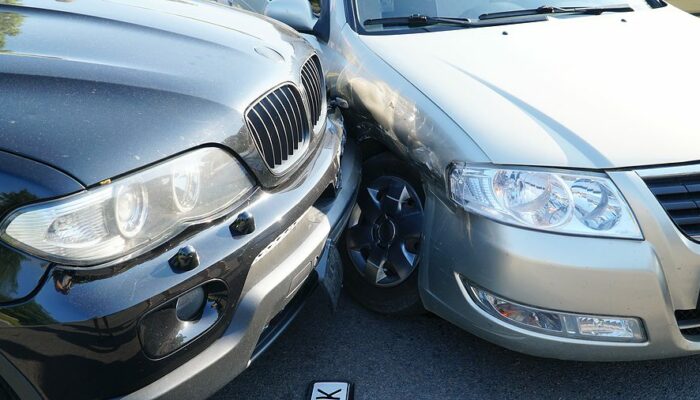
Waking up in a cold sweat after narrowly escaping a vehicular collision in a dream is a jarring experience. Such vivid nocturnal scenarios often leave the dreamer questioning the underlying message of the encounter. Whether it was a sudden swerve to avoid a crash or a near-miss at an intersection, these dreams typically serve as potent metaphors for the tensions and transitions present in our waking lives.
The Symbolism of the Vehicle and Control
In the realm of dream analysis, a vehicle often symbolizes the dreamer’s life path, their sense of agency, and the direction in which they are moving. The act of driving represents the level of control one feels over their own destiny. Consequently, the threat of an accident suggests a perceived risk or an impending crisis.
When you dream of almost getting into an accident, the focus shifts from the catastrophe to the escape. This nuance often reflects a subconscious grappling with the balance between fate and free will. It may indicate that while you feel the presence of danger or instability in your life, you still possess the capacity to navigate away from disaster.
Psychological Perspectives
Stress and Anxiety
From a psychological standpoint, these dreams are frequently manifestations of acute stress. If you are facing a significant life decision—such as a career change or a pivotal relationship shift—the dream may encapsulate the uncertainty and pressure surrounding these choices. The “near-miss” represents the anxiety of potential pitfalls and the fear of making a wrong turn in life.
The Jungian “Shadow Self”
Carl Jung’s theories suggest that such dreams may reveal aspects of the shadow self—the suppressed or denied parts of our personality. A near-accident can personify the dangers of ignoring one’s instincts or emotions. By detaching from our inner needs, we risk “crashing” into a psychological crisis. Recognizing this allows the dreamer to confront suppressed fears and facilitate personal growth.
Spiritual and Cultural Interpretations
Interpretations of near-miss accidents vary significantly across different faith traditions and cultural lenses:
- Christianity: In some Christian interpretations, such dreams may be viewed as divine warnings. They can symbolize a prompt to reassess one’s moral compass or a reminder to remain vigilant against temptations that could derail a spiritual journey. This aligns with the call for peace and a calm heart in times of distress, as seen in Philippians 4:6-7.
- Islamic Tradition: Within Islamic dream interpretation, a near-accident might be seen as a test of faith or an invitation to seek forgiveness and guidance. Scholars often suggest that disturbing dreams should be met with introspection and prayer, using the experience as a catalyst for spiritual self-assessment.
Analyzing Interpersonal and Life Dynamics
Beyond individual psychology, these dreams can reflect the state of our relationships. A chaotic driving scenario may mirror unresolved conflicts or tensions with others. If the “accident” was caused by another driver, it may symbolize how external forces or the actions of others are hindering your emotional journey.
| Dream Element | Potential Meaning |
|---|---|
| The Car | Life direction and personal control |
| The Near-Miss | Avoidance of disaster or a “wake-up call” |
| Brakes Failing | Feeling powerless to stop a negative trend |
| Other Drivers | External stressors or interpersonal conflict |
Conclusion
Dreams of narrowly avoiding car accidents are complex narratives woven from personal strife, spiritual yearning, and subconscious anxiety. Rather than being omens of physical danger, they are typically internal signals urging us to seek clarity, restore balance, and build resilience. By deciphering these messages, we can transform a moment of nocturnal fear into a roadmap for a more mindful and fulfilling existence.
FAQ
Does dreaming of a near-miss car accident mean I will actually have one?
Generally, no. In dream analysis, these scenarios are symbolic of emotional or situational stress rather than literal premonitions of physical events.
What if I was the one who almost caused the accident?
This may suggest feelings of guilt or a fear that your own choices are leading you toward a mistake in your waking life.





Leave a Reply