
Short Answer
Overview
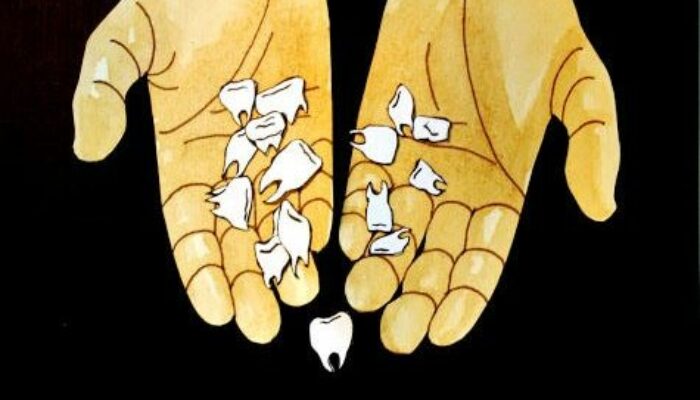
Dreams of teeth falling out are reported across cultures and ages. The vivid image often provokes anxiety, yet it carries layered meanings that span psychology, spirituality, and folklore. Scholars interpret the motif as a reflection of personal insecurities, life transitions, and deeper spiritual messages.
Symbolic Interpretation
In many traditions, teeth represent nourishment, communication, and personal identity. Losing them in a dream can symbolize:
- Loss of power or self‑esteem – teeth are tools for biting and speaking; their absence may echo feelings of helplessness.
- Transition and growth – the natural shedding of baby teeth mirrors rites of passage from one life stage to another.
- Release of old habits – the act can indicate that outdated beliefs or behaviors are being discarded.
These symbolic readings often arise regardless of cultural background, suggesting a universal archetype.
Spiritual Significance
Different religious traditions attribute distinct meanings to this dream motif:
Christianity
Within Christian thought, the loss of teeth may point to humility and the fleeting nature of earthly life. The Bible frequently likens the body to a temple; deterioration can be a reminder to focus on spiritual renewal.
Islam
Islamic dream interpretation views teeth loss as a possible portent of forthcoming challenges or a sign of spiritual purification. The dream may encourage the dreamer to trust in divine guidance during trials.
Other Traditions
In various indigenous and Eastern spiritualities, the imagery can signal a disconnection from one’s true self, urging a realignment with personal purpose and universal harmony.
Psychological Analysis
Classic psychoanalytic theories provide insight into the emotional underpinnings of this dream:
Freud
Sigmund Freud considered teeth to be phallic symbols linked to sexuality and aggression. Their loss may reveal repressed anxieties about impotence, embarrassment, or fear of judgment.
Jung
Carl Jung emphasized archetypal symbols. The falling teeth motif aligns with the “shadow” archetype, representing the parts of the self that are being integrated or discarded during individuation.
Contemporary Perspectives
Modern psychologists associate teeth‑loss dreams with stressors such as:
- Major life changes (new job, marriage, relocation).
- Health concerns, particularly those related to appearance.
- Feelings of vulnerability or loss of control.
These dreams often serve as an unconscious processing tool, helping the individual navigate emotional turbulence.
Conclusion
The recurring image of teeth falling out is a rich, multifaceted symbol. Whether interpreted through cultural folklore, spiritual doctrine, or psychological theory, the dream invites introspection about personal power, transformation, and inner authenticity. Recognizing its nuanced meanings can turn an initially distressing experience into an opportunity for growth and self‑understanding.
FAQ
What does it mean when I dream of my teeth falling out?
It commonly reflects concerns about loss of control, self‑image, or upcoming life changes, though cultural and spiritual contexts can add additional layers.
Are teeth‑falling‑out dreams a sign of health problems?
While some people associate the dream with dental anxiety, most research links it to psychological stress rather than a direct physical warning.
Can I control this type of dream?
Practicing lucid‑dreaming techniques may allow you to become aware during the dream and alter its course, but the underlying emotions often need conscious processing while awake.
Do different cultures interpret this dream differently?
Yes. For example, Christianity may view it as a reminder of mortality, Islam may see it as a sign of forthcoming challenges, and many Indigenous cultures view it as a symbol of personal transformation.
How can I use this dream for personal growth?
Reflect on current stressors, examine areas where you feel powerless, and consider making changes that restore a sense of agency and confidence.




Leave a Reply