
Short Answer
Introduction
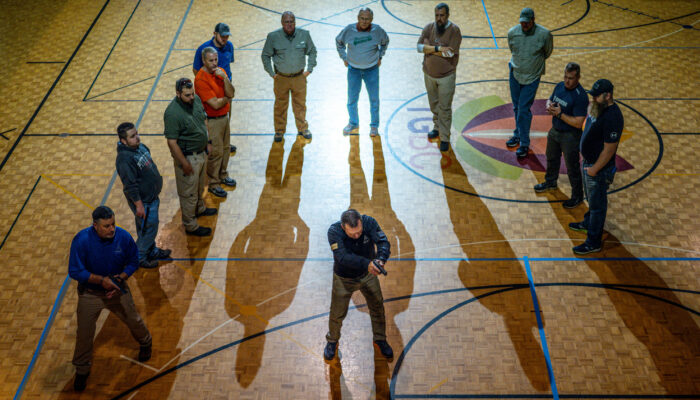
In contemporary societies where news of gun violence is frequent, the image of an active shooter can intrude upon the dream world. Dreams act as a mirror for the subconscious, turning external threats into vivid internal scenes. When an active shooter appears in a dream, it frequently signals underlying fears, unresolved trauma, or broader cultural anxieties.
Symbolic Interpretation
From a symbolic standpoint, the active shooter functions as an archetype of sudden danger and loss of control. The following table outlines common symbolic meanings associated with this motif:
| Aspect | Possible Meaning |
|---|---|
| Violence | Perceived threat to personal safety or emotional well‑being. |
| Gun | Power dynamics, feeling powerless, or a desire for agency. |
| Chaotic environment | Life circumstances that feel unpredictable or overwhelming. |
| Being a by‑stander | Feelings of helplessness or guilt about not intervening in real‑life situations. |
Spiritual Perspectives
Christianity
In many Christian traditions, a dream of violent conflict may be interpreted as a call to don spiritual armor (Ephesians 6:10‑18) and seek divine protection. The imagery can also serve as a reminder to cultivate peace within one’s community, reflecting the biblical injunction to be peacemakers.
Islam
Islamic dream interpretation often views threatening scenes as reflections of personal trials (fitnah). An active shooter may symbolize spiritual battles that require reliance on prayer (duʿā) and moral steadfastness. The dream can encourage the seeker to seek refuge in Allah and to reinforce ethical conduct.
Other Faith Traditions
Across various religions, themes of violence in dreams are frequently linked to collective suffering and the need for societal harmony. They may prompt contemplation on how to contribute to conflict resolution and communal well‑being.
Psychological Interpretation
Psychologists regard dreams as a processing arena for emotions that are difficult to address consciously. An active shooter dream can arise from:
- Post‑traumatic stress: Individuals who have experienced or witnessed violence may replay those memories symbolically.
- Generalized anxiety: Persistent worries about safety, especially after exposure to media coverage of shootings.
- Feelings of powerlessness: Situations in waking life where the dreamer feels unable to influence outcomes.
Therapeutic approaches, such as exposure therapy or narrative reconstruction, often use the dream content to help the patient re‑establish a sense of control.
Therapeutic and Transformative Potential
While unsettling, these dreams can become catalysts for growth. By examining the underlying emotions, individuals may:
- Identify specific triggers that provoke fear.
- Develop coping strategies, such as mindfulness or assertiveness training.
- Engage in advocacy or community‑building activities that address the broader issue of gun violence.
In this way, the nightmare can evolve into a roadmap for personal empowerment and societal contribution.
Societal Reflection
The prevalence of active shooter dreams also reflects a collective cultural trauma. Sociologists suggest that recurring nightmares about mass violence indicate a shared unconscious processing of public safety concerns. Recognizing this pattern can inform public health initiatives aimed at reducing anxiety through education, community support, and policy reform.
Conclusion
Dreams featuring an active shooter are multifaceted symbols that intertwine personal psychology, spiritual belief systems, and societal realities. Whether viewed as a manifestation of trauma, a spiritual warning, or a cultural echo, the imagery invites the dreamer to explore hidden fears, seek resilience, and consider constructive action in both personal and communal spheres.
FAQ
Why do I keep dreaming about an active shooter?
Repeated active shooter dreams often signal unresolved stress, exposure to violent media, or personal trauma that the subconscious is trying to process.
Can such a dream indicate an imminent danger?
Most experts agree that dreams are not prophetic; they reflect internal states rather than future events.
How can I work through the anxiety caused by this dream?
Consider discussing the dream with a mental‑health professional, practicing stress‑reduction techniques, and limiting exposure to graphic news before bedtime.
Do spiritual traditions view these dreams positively?
Many traditions see them as messages urging the dreamer to seek protection, strengthen faith, or promote peace in their community.


Leave a Reply