
Short Answer
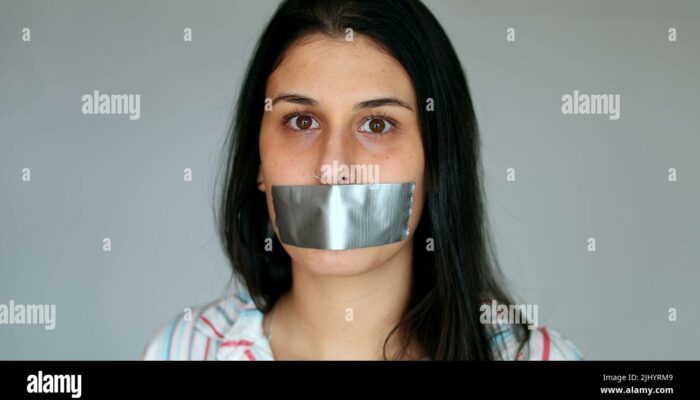
Dreams serve as a mirror to the subconscious mind, translating our deepest fears, desires, and anxieties into vivid imagery. One of the most evocative and often distressing dream motifs is the inability to speak. This sudden interruption of communication can be a profound indicator of an individual’s emotional state, spiritual journey, and psychological well-being. Whether it manifests as a mute scream or a complete loss of voice, this experience offers critical insights into the dreamer’s internal world.
Core Meanings and Associations
At its most basic level, dreaming of being unable to speak is frequently linked to feelings of inadequacy, suppression, or powerlessness. Because speech is the primary tool for human connection and self-assertion, its absence in a dream suggests a struggle with communication in waking life. This may manifest as:
- Fear of disapproval or social judgment.
- Avoidance of conflict or confrontation.
- A perceived inability to influence a situation or person.
- The feeling that one’s needs or opinions are being ignored.
Logical and Symbolic Framework
To understand the deeper implications of this dream, we can apply a syllogistic approach to its emotional logic:
1) Effective communication is fundamental for self-expression and emotional health.
2) The inability to communicate leads to frustration, isolation, and psychological distress.
3) Therefore, dreaming of being unable to speak likely signifies a state of distress related to the expression of one’s true self.
Symbolic Interpretations
Beyond simple frustration, silence in dreams carries heavy symbolic weight. It often represents hidden emotions or unresolved traumas that the dreamer has yet to confront. The act of being mute can symbolize:
- Repression: Unvoiced thoughts often indicate conflicts that have been pushed into the subconscious.
- Vulnerability: The fear that speaking the truth will lead to pain or rejection.
- Accountability: A sense that one must accept the consequences of their actions without the ability to defend themselves.
Spiritual Perspectives Across Traditions
Different faith and philosophical traditions interpret the loss of voice in dreams through varying lenses, shifting the meaning from psychological distress to spiritual growth.
| Tradition | Interpretation of Silence/Muteness |
|---|---|
| Christianity | Often associated with humility and receptivity. It may mirror the “still, small voice” of God, prompting the dreamer to listen rather than speak. |
| Islam | May be viewed as a sign of spiritual struggle or a call to enhance one’s dialogue with Allah through increased worship and sincerity. |
| Eastern Philosophies | Seen as a reminder to practice mindfulness and intentionality, emphasizing that silence is often more powerful than spoken words. |
Psychological Significance
From a clinical perspective, the inability to speak is often a manifestation of social anxiety, depression, or phobias. Following Freudian theory, such dreams act as a portal to subconscious fears. The “silent scream”—a common nightmare element—often correlates with feeling besieged by life’s challenges without a viable means of venting distress.
Psychologists suggest that these dreams may occur when a person feels “stifled” in their professional or personal relationships. If these dreams recur frequently, they may indicate a need for therapeutic intervention to uncover repressed emotions and develop healthier communication strategies.
Conclusion
The dream meaning of being unable to speak is a complex tapestry woven from psychological tension and spiritual reflection. While the experience can be frightening, it serves as a vital signal from the subconscious. By analyzing the context of these dreams, individuals can identify the barriers preventing them from speaking their truth in waking life, ultimately empowering them to find their voice and resolve internal conflicts.
FAQ
What does it mean when I dream I cannot speak?
It typically reflects feelings of suppression, a fear of expressing yourself, or unresolved emotional conflicts in your waking life.
Is dreaming about being mute a sign of spiritual distress?
Not necessarily. In many traditions, it is viewed as a call for deeper listening, humility, or a need to reconnect with spiritual practices.
Can this dream indicate anxiety or social phobia?
Yes, the inability to speak often mirrors real-life anxiety regarding communication or a fear of being judged by others.
How can I work through the emotions revealed by this dream?
Journaling, mindfulness, or speaking with a therapist can help you identify and express the suppressed feelings highlighted by the dream.
Do different cultures interpret the mute dream differently?
Yes; for example, some may see it as a prompt for divine listening (Christianity) or a reminder to strengthen spiritual dialogue (Islam).





Leave a Reply