
Short Answer
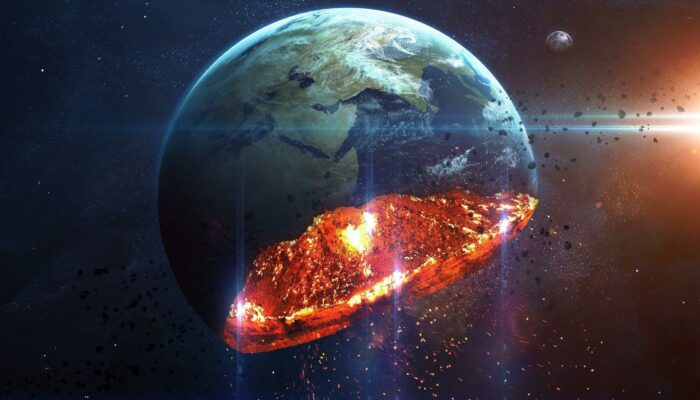
Dreams serve as complex portals to the subconscious, often translating our deepest fears, aspirations, and stressors into vivid narratives. Among the most intense of these experiences are dreams depicting the end of the world. While such visions can be visceral and anxiety-inducing, they frequently serve as catalysts for profound introspection and psychological release, prompting the dreamer to contemplate existential questions and personal transitions.
Logical Frameworks for Interpretation
To analyze the meaning of an apocalyptic dream, one can apply a syllogistic framework—a method of deductive reasoning that helps categorize the emotional origin of the imagery. For example:
- Premise 1: Dreams typically reflect the dreamer’s current emotional state or subconscious stressors.
- Premise 2: The concept of the “end of the world” represents the ultimate culmination of fear, uncertainty, and irreversible change.
- Conclusion: Therefore, dreaming of the end of the world often mirrors the dreamer’s internal anxieties regarding significant, life-altering transitions.
By utilizing this logic, we can see that these dreams are rarely prophetic in a literal sense, but rather act as metaphorical reflections of internal chaos or a perceived loss of control in one’s waking life.
Symbolic Interpretations: Destruction and Rebirth
Beyond logical deduction, the symbolism of the apocalypse is deeply rooted in the concept of transformation. In the language of the subconscious, the end of the world does not necessarily signify a tragic finale, but rather the closing of a chapter.
Personal Transformation
Apocalyptic scenarios may emerge when a dreamer is facing a personal crisis or a radical shift in identity. This could include:
- The dissolution of a long-term relationship.
- A significant career change or sudden unemployment.
- The loss of a belief system or a fundamental shift in worldview.
In these contexts, the “end” is a necessary precursor to rebirth. The shedding of the old world allows the dreamer to embrace a new reality, suggesting that growth often requires the destruction of outdated structures.
Metaphors for Emotional Turmoil
The specific imagery within the dream—such as sweeping floods, fire, or desolate landscapes—often serves as a metaphor for overwhelming emotions. A landscape in ruins may represent a feeling of emotional exhaustion or the aftermath of a psychological breakdown, providing the dreamer with a visual representation of their inner turmoil.
Spiritual and Cultural Perspectives
The end of the world is a recurring theme across global spiritual traditions, and these cultural narratives often bleed into our dream states.
| Tradition | Common Interpretation | Psychological Impact |
|---|---|---|
| Christianity | Final Judgment / Book of Revelation | Focus on moral accountability and hope for a new heaven/earth. |
| Islam | Yawm al-Qiyāmah (Day of Resurrection) | Prompt for spiritual alignment and reflection on divine justice. |
| Eastern Philosophies | Cyclical Destruction and Creation | View of the end as a natural phase of an eternal cycle. |
Psychological Dimensions
From a psychological standpoint, apocalyptic dreams are often linked to existential angst. Carl Jung suggested that dreams draw from a collective unconscious, meaning these visions may not just be personal, but reflective of universal human fears.
“The apocalypse in a dream may be an exploration of collective anxiety: fears of societal collapse, environmental degradation, or the inherent impermanence of life.”
Furthermore, these dreams can indicate a subconscious desire for liberation. For some, the idea of the world ending represents an escape from an oppressive, monotonous, or overwhelming reality. The chaos of the apocalypse provides a paradoxical sense of freedom, as the rules and burdens of the waking world are suddenly rendered irrelevant.
Conclusion
Dreaming of the end of the world is a powerful experience that encapsulates a wide array of meanings. Whether viewed through a logical, spiritual, or psychological lens, these visions invite the dreamer to confront their fears and recognize the potential for renewal. By embracing the imagery of the end, individuals can navigate their transitions with greater awareness, ultimately emerging reborn and ready to face their world anew.
FAQ
Does dreaming of the end of the world mean it will actually happen?
Generally, no. In psychological and dream analysis, these dreams are viewed as metaphors for personal change or internal stress rather than literal predictions.
Why do I feel relieved in some apocalyptic dreams?
This often symbolizes a subconscious desire to escape the pressures, responsibilities, or monotony of your current waking life.
What is the most common meaning of this dream?
The most common interpretation is that you are experiencing a major life transition or feeling a loss of control in a specific area of your life.




Leave a Reply