
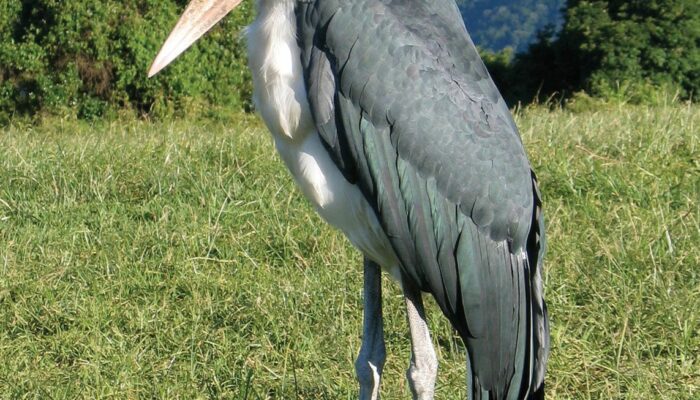
Short Answer
Introduction to Stork Symbolism in Dreams
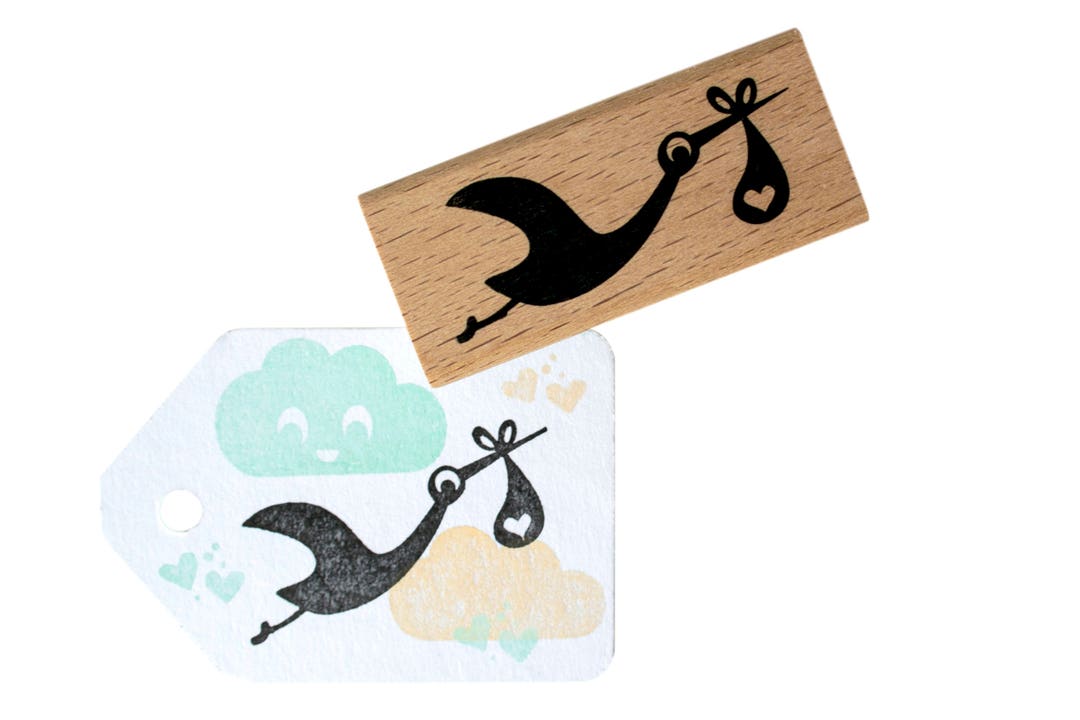
Storks have long occupied a prominent place in global folklore and popular culture, frequently serving as emblems of good fortune, transition, and familial care. Most famously known for the myth of delivering newborns, the stork represents more than just physical birth; it encapsulates the broader concept of arrival and the inception of new chapters in life. When these birds appear in the subconscious landscape of a dream, they often act as messengers of change.
Dreams function as a canvas where the subconscious processes emotions and experiences. Dreaming of a stork can carry a variety of interpretations, depending on the dreamer’s cultural background, current life stage, and psychological state. By analyzing the stork through symbolic, spiritual, and psychological lenses, one can uncover deeper insights into their waking life.
Symbolic Interpretations of the Stork
At its core, the stork is a powerful symbol of new beginnings. Because of its enduring association with childbirth, the most direct interpretation often relates to fertility and the arrival of new life. However, this symbolism frequently extends beyond literal pregnancy.
New Ventures and Projects
A stork in a dream may signal the birth of a new idea, the start of a professional project, or the beginning of a creative endeavor. Just as a stork brings a child into a home, the dream may suggest that a new opportunity is entering the dreamer’s life, requiring nurturing and care to grow.
Adaptability and Resilience
Due to their migratory nature, storks also symbolize the ability to navigate vast distances and adapt to changing environments. Dreaming of a stork in flight may indicate:
- The need to adapt to shifting circumstances in one’s career or personal life.
- The resilience required to overcome obstacles during a period of transition.
- A graceful navigation through a complex life change.
Spiritual Significance Across Cultures
The spiritual meaning of the stork varies significantly across different religious and cultural frameworks, reflecting the diverse values of the societies that revere them.
| Perspective | Primary Symbolic Meaning | Spiritual Implication |
|---|---|---|
| Christianity | Protection and Nurture | Reflects divine guidance and God’s protective nature over creation. |
| Islam | Duality of Blessing/Caution | A reminder to balance material prosperity with spiritual gratitude. |
| Japanese Folklore | Longevity and Luck | Symbolizes communal harmony, enduring relationships, and personal growth. |
Psychological Perspectives on Stork Dreams
From a psychological standpoint, the stork represents the evolution of the self and the internal shifts necessary for maturity.
Psychoanalytic View (Freudian)
Sigmund Freud’s theories suggest that dream imagery often relates to deep-seated desires and aspirations. A stork may appear when a person is experiencing a “fluctuating” period in their life—such as a career change—representing a longing for growth or a subconscious drive to transition into a more fulfilled phase of existence.
Analytical Psychology (Jungian)
Carl Jung posited that birds often represent the aspirations of the psyche. The stork’s ability to soar high may symbolize unrealized potential or dormant ambitions. Such dreams can serve as a catalyst for self-exploration, urging the individual to examine their passion for transformation and higher consciousness.
The Concept of Nurturing
Beyond the external act of care, the stork symbolizes self-nurturing. In psychological terms, this may be a signal from the subconscious that the dreamer needs to invest more time in self-care and personal development, treating their own mental health with the same tenderness a stork shows its nest.
Conclusion
Whether viewed as a harbinger of a new baby, a sign of spiritual protection, or a psychological nudge toward self-growth, the stork remains a potent symbol of transition. By reflecting on the context of the dream, individuals can determine whether the stork is illuminating a need for adaptability, a call for spiritual balance, or an invitation to embrace a new beginning. In the grand tapestry of human experience, the stork encourages us to meet the unknown with hope and grace.
FAQ
Does dreaming of a stork always mean a baby is coming?
Not necessarily. While it is a common association, it often symbolizes any kind of 'new birth,' such as a new job, a new relationship, or a new creative project.
What does it mean if the stork is flying away in a dream?
This could symbolize a transition or the end of a specific phase, suggesting that you are moving forward from one stage of life to another.
Why is the stork associated with longevity in some cultures?
In cultures like Japan, the stork's grace and perceived lifespan make it a symbol of long life and enduring prosperity.


Leave a Reply