
Short Answer
Introduction to the Symbolism of Car Theft in Dreams
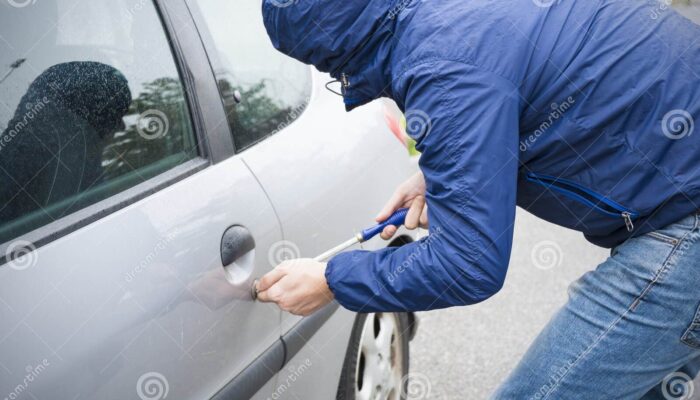
Dreams often serve as windows into our subconscious, reflecting our deepest fears, desires, and anxieties. One particularly evocative and stressful scenario is the experience of someone stealing your car. Such dreams typically evoke a spectrum of emotions, ranging from sudden panic and confusion to a lingering sense of helplessness.
To understand the dream meaning of someone stealing your car, one must apply various metaphorical lenses. Because a vehicle is more than just a tool for transport—it is a symbol of movement, status, and autonomy—its loss in a dream state often points to deeper existential or emotional conflicts. By analyzing this imagery through psychological, spiritual, and symbolic frameworks, we can uncover what the subconscious is attempting to communicate.
Symbolic Interpretations
In the language of dreams, symbols are rarely literal. To decode the theft of a vehicle, we must first define what the car represents:
Autonomy and Direction
At its core, a car symbolizes the journey of life, personal independence, and the ability to steer one’s own destiny. When you dream that your car is stolen, it often signifies a loss of autonomy or a feeling of vulnerability. This may be a metaphor for life’s unpredictable nature or a sign that you feel someone or something is undermining your agency and thwarting your intended trajectory.
Status and Self-Image
In many cultural narratives, a vehicle is a primary indicator of social standing and success. Consequently, dreaming of a stolen car may reflect anxieties regarding your self-image or public perception. You may be harboring feelings of inadequacy or a fear of being judged by others, leading to an internal conflict where your “vehicle” of social identity is perceived as being under threat.
Spiritual Meanings Across Cultures
Different faith traditions and spiritual practices offer unique perspectives on the act of theft within a dream state.
Christian Biblical Perspective
In certain Christian theological interpretations, a car can symbolize an individual’s divine purpose or their specific path in life. A dream about a stolen car may represent the spiritual adversities or “roadblocks” encountered on a journey of faith. The act of theft might symbolize disruptions caused by temptation or sin. Such dreams can be viewed as a call to examine areas of life where one feels distant from God, ultimately serving as a catalyst for a revival of faith and purpose.
Islamic Interpretation
Within Islamic thought, dreams are often regarded as potential messages or reflections of the soul’s state. A dream of a stolen car may manifest anxieties related to trust and betrayal. Because Islam emphasizes the importance of community and kinship, this imagery could suggest a discord in relationships with close associates. It may also indicate a general sense of insecurity regarding material or spiritual losses, prompting the dreamer to engage in introspection regarding their personal faith and interpersonal bonds.
General Spiritual Perspectives
Other spiritual traditions view the theft of a personal vehicle as a sign to re-evaluate personal boundaries. Since the car represents the individual path, its compromise by an outsider suggests the intrusion of negativity or toxic influences. This is often interpreted as a psychic warning to protect one’s energy and essential self-identity from those who seek to manipulate or hinder personal progress.
Psychological Insights
From a psychological standpoint, these dreams are frequently linked to the stress of the waking world and the brain’s attempt to process complex emotions.
Control and Internal Chaos
Psychologists often interpret the theft of a vehicle as an embodiment of internal chaos manifesting externally. If you are experiencing a lack of control in your professional or personal life, your subconscious may project this as a stolen car. This feeling of helplessness indicates a need to reassess which specific aspects of your life are contributing to this sentiment of instability.
Betrayal and Boundary Issues
The act of theft inherently involves a violation of trust. Such dreams may be processing unresolved issues related to abandonment or betrayal. If you feel that your personal boundaries have been compromised in reality, the dream serves as a manifestation of that disarray, urging you to establish healthier boundaries to regain a sense of security.
Processing Trauma and Change
The emotional weight of these dreams may also stem from recent traumatic events or significant life transitions. The psyche uses these scenarios as a mechanism to discuss and process shifts in identity or stability. By engaging with these dreams thoughtfully, individuals can find pathways toward healing and self-discovery.
Conclusion
Dreams involving the theft of a car provide a rich tapestry of meaning, bridging the gap between the symbolic, the spiritual, and the psychological. Whether interpreted as a harbinger of lost autonomy or an exploration of life’s inherent unpredictability, these dreams invite us to interrogate our vulnerabilities. By embracing this introspection, we can reclaim the agency and direction we may feel has been pilfered from our waking lives.
FAQ
Does dreaming of a stolen car mean I will actually lose my car?
No, dreams are typically symbolic. This dream usually refers to a loss of control or direction in your life rather than a literal prediction of theft.
Why do I feel so much panic in this dream?
The panic reflects the high value you place on your independence and the fear of being unable to move forward in your life's journey.
What should I do after having this dream?
Reflect on where in your waking life you feel powerless or betrayed, and consider how you can re-establish your personal boundaries.




Leave a Reply