
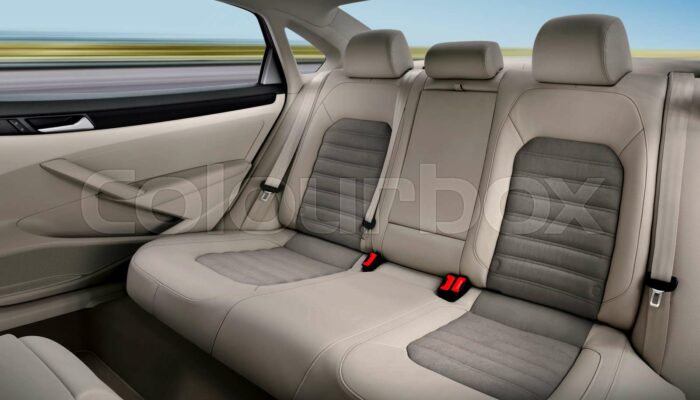
Short Answer
Introduction to the Symbolism of the Passenger Seat
Dreams act as a mirror to our subconscious, blending desires, fears, and daily experiences into complex narratives. Within the vast lexicon of dream imagery, the passenger car seat serves as a potent symbol. Unlike the driver’s seat, which represents agency and leadership, the passenger seat is fundamentally tied to the concepts of direction, companionship, and the relinquishing of control.
When an individual dreams of occupying the passenger seat, it often prompts a deeper inquiry into their current life stage: Are they the architect of their own destiny, or are they allowing external forces to steer their path? Understanding this symbol can provide critical insights into one’s expectations for the future and their emotional dependencies.
Psychological Interpretations
From a psychological perspective, the passenger seat often reflects the dreamer’s state of mind regarding autonomy and power dynamics. Because the passenger is not in control of the vehicle’s movement, this position can signify several internal states:
- Relinquishing Control: A feeling of being passive in one’s own life, perhaps relying too heavily on others for decision-making.
- Trust and Support: A positive sense of security, indicating that the dreamer trusts their partner, mentor, or a guiding force to lead them safely.
- Anxiety and Powerlessness: If the dream feels stressful, it may mirror a waking-life situation where the dreamer feels they have no say in their professional or personal trajectory.
Freudian and Jungian Perspectives
Sigmund Freud suggested that dream symbols often represent repressed desires or conflicts. In this framework, the passenger seat might symbolize a desire to escape responsibility or a hidden conflict regarding independence. Conversely, Carl Jung’s focus on archetypes might view the driver as a representation of the “ego” or a “guiding spirit,” while the passenger represents the observing self, processing the journey of individuation.
Spiritual and Religious Perspectives
The meaning of a passenger car seat can shift significantly when viewed through different spiritual lenses, often moving from personal psychology to divine relationship.
Christian Interpretations
In Christian thought, sitting in the passenger seat can be seen as an allegory for faith and divine guidance. It symbolizes the act of surrendering one’s will to God, trusting that the Divine Driver knows the correct path and destination. This reflects the spiritual discipline of trust and the belief that one is being led toward a higher purpose.
Islamic Interpretations
Within an Islamic context, the journey is often viewed as a manifestation of divine decree. The passenger seat may represent the believer’s role within the grand narrative of existence—acknowledging that while we travel through life, ultimate control belongs to Allah. Such dreams may encourage self-reflection on submission (Islam) and obedience to the divine will as one navigates the complexities of earthly life.
Analyzing the Dynamics of the Journey
To gain a more precise interpretation, one must look at the context surrounding the passenger seat. The following table summarizes common dream variations:
| Dream Scenario | Potential Meaning |
|---|---|
| Sitting comfortably in the passenger seat | Contentment with current guidance and trust in others. |
| Panic while in the passenger seat | Fear of loss of control or distrust of the person leading. |
| Trying to steer from the passenger seat | A struggle for power or a desire to reclaim agency. |
| An empty driver’s seat | Feelings of abandonment or a lack of direction in life. |
The Influence of Companionship
The identity of the person in the driver’s seat is crucial. Whether it is a confidant, a parent, a stranger, or an obstructive figure, the relationship reflects the dreamer’s interpersonal dynamics. If a mentor is driving, it may signify a period of learning; if an enemy is driving, it may signal a feeling of being trapped by a toxic influence.
Conclusion
The passenger car seat is a multifaceted symbol that bridges the gap between self-awareness and future expectations. Whether interpreted as a psychological need for autonomy or a spiritual expression of surrender, it invites the dreamer to evaluate their role in their own life story. By analyzing these dreams, individuals can determine whether it is time to remain a passenger or to finally step into the driver’s seat to navigate their own aspirations.
FAQ
Does dreaming of being a passenger mean I am lazy?
Not necessarily. It often reflects your current emotional state regarding control, trust, or a specific relationship rather than a character flaw.
What if the driver in my dream is a stranger?
A stranger often represents an unknown aspect of your own psyche or an external force (like fate or society) that you feel is controlling your life.
How can I move from the passenger seat to the driver's seat in my dreams?
This is often achieved through lucid dreaming techniques, where you become aware you are dreaming and consciously decide to take the wheel.





Leave a Reply