
Short Answer
Introduction
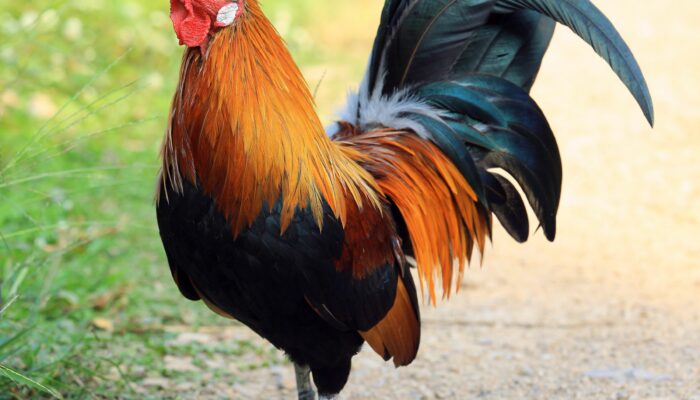
The rooster, renowned for its crow at dawn, has long served as a metaphor for alertness and renewal. When this bird enters the dreamscape, it brings a rich tapestry of meanings drawn from folklore, religion, and modern psychology. Understanding these layers can help the dreamer decipher messages about personal development, leadership, and inner vigilance.
Symbolism in Dream Contexts
In dream interpretation, the rooster commonly represents:
- Awakening – a call to become aware of a new phase or hidden truth.
- Confidence and Leadership – the bold, outspoken nature of the rooster mirrors a need to assert oneself.
- Vigilance – the bird’s early‑morning crow signals the importance of staying alert to upcoming challenges.
- Transformation – just as day follows night, the rooster can herald personal growth or a fresh start.
Cultural and Religious Significance
Across traditions, the rooster carries distinct connotations that enrich its dream meaning.
Christianity
In the New Testament, the rooster’s crow marks Peter’s denial of Jesus and his subsequent repentance. Dreaming of a rooster may therefore evoke themes of remorse, forgiveness, and the possibility of redemption.
Islam
Islamic teachings regard the rooster as a pure creature whose crow is a sign of blessings. Some traditions hold that different feather colors convey specific omens, ranging from prosperity to spiritual warnings.
Indigenous Cultures
Various Native American narratives view the rooster as a symbol of fertility, the cyclical dance of sun and earth, and the renewal of life’s rhythms.
Psychological Interpretation
From a modern psychological perspective, the rooster can act as an archetypal image of the assertive self. Its presence in a dream may prompt the dreamer to examine:
- Levels of self‑esteem and the willingness to voice personal convictions.
- Areas where complacency has replaced proactive action.
- Potential conflicts between inner desires and external expectations.
In this view, the rooster is less a literal bird and more a mirror reflecting one’s own capacity for leadership and self‑assertion.
Common Dream Scenarios
| Scenario | Possible Meaning |
|---|---|
| Rooster crowing loudly | A clear signal that a new opportunity or truth is about to emerge. |
| Rooster fighting | Internal conflict regarding confidence or a struggle for dominance in a situation. |
| Rooster with unusual colors | Specific omens—bright colors may indicate prosperity, while darker hues could warn of upcoming challenges. |
| Being unable to hear a rooster’s crow | A sense of missed opportunities or a need to become more attuned to subtle cues. |
Conclusion
The rooster’s appearance in dreams weaves together cultural heritage, spiritual symbolism, and personal psychology. Whether it signals the dawning of a new chapter, urges the dreamer toward greater confidence, or reflects a deeper call for self‑reflection, the rooster remains a potent emblem of awakening and accountability. By paying attention to the specific details of the dream—such as the bird’s behavior, color, and surrounding context—individuals can gain valuable insight into their waking lives and the paths that lie ahead.
FAQ
What does it mean if I dream of a rooster crowing loudly?
It often indicates that a new opportunity or truth is about to be revealed, urging you to pay attention.
Why would a rooster appear in my dream with unusual colors?
Different feather colors are interpreted as specific omens; bright hues may signal prosperity, while darker tones can warn of challenges.
Can a rooster dream symbolize a need for more confidence?
Yes, the rooster’s bold nature frequently reflects a call to assert yourself and embrace leadership in waking life.



Leave a Reply