
Short Answer
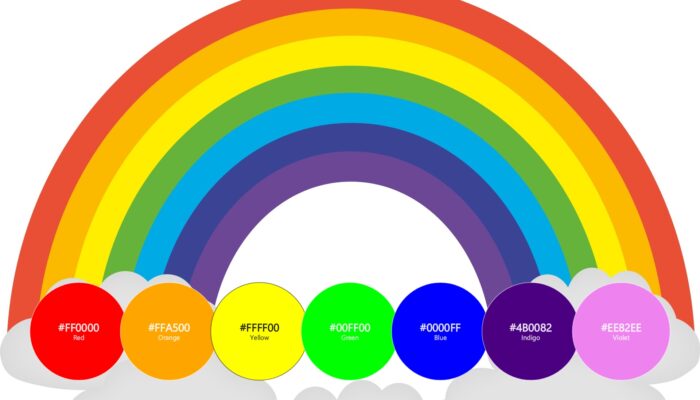
Dreaming of a vivid rainbow—its arch of red, orange, yellow, green, blue, indigo and violet—can be a striking experience that prompts curiosity about its significance. Across cultures, religions and psychological theories, rainbow colors have been interpreted as symbols of hope, transformation, and emotional balance. This article examines the multiple layers of meaning attached to rainbow colors in dreams, from logical deduction and symbolic analysis to spiritual traditions and modern color‑psychology.
Logical Framework: Applying Syllogistic Reasoning
One way to approach dream symbolism is through syllogism, a form of deductive reasoning. A general premise such as “rainbows represent hope and diversity” can lead to a specific conclusion: if a person dreams of a rainbow, the dream may reflect a personal desire for optimism amid challenges. This method encourages the dreamer to connect universal symbols with individual circumstances.
Symbolic Interpretation of Each Hue
| Color | Common Symbolic Meaning |
|---|---|
| Red | Passion, vitality, anger, or urgent action |
| Orange | Creativity, enthusiasm, social connection |
| Yellow | Joy, intellect, optimism, mental clarity |
| Green | Growth, healing, balance, renewal |
| Blue | Calm, trust, communication, spiritual depth |
| Indigo | Intuition, introspection, mysticism |
| Violet | Spiritual awareness, transformation, higher purpose |
When a dream presents the entire spectrum, it can suggest that the dreamer is experiencing a wide range of emotions or is in a phase of personal integration.
Spiritual and Religious Perspectives
Christianity
In the biblical narrative of Noah’s Ark, the rainbow is a covenant sign of God’s promise not to flood the earth again. Consequently, a rainbow in a Christian’s dream may evoke themes of divine assurance, forgiveness, and renewed hope.
Islam
Islamic tradition often regards rainbows as manifestations of Allah’s mercy and beauty. The Qur’an encourages believers to contemplate natural signs as reflections of divine attributes; a rainbow dream may therefore symbolize spiritual enlightenment or gratitude.
Indigenous and Other Cultural Views
Many indigenous cultures describe the rainbow as a bridge between the earthly realm and the spiritual world. Dreaming of this bridge can indicate a transitional period, ancestral guidance, or a call to reconnect with cultural heritage.
Psychological and Color‑Psychology Insights
Modern color psychology suggests that hues affect mood and cognition. For example, yellow can stimulate creativity, while blue promotes relaxation. A rainbow dream may mirror the dreamer’s current emotional palette, indicating a balance of feelings or, alternatively, a need to address neglected emotions.
Chromatic Symbolism and Emotional State
Researchers such as Eva Heller and Angela Wright have documented consistent emotional associations with colors. When multiple colors appear together, the dream may represent emotional diversity, whereas a predominance of muted tones could signal stagnation or distress.
Synesthetic Experiences
Some individuals experience synesthesia, where colors evoke tastes, sounds, or textures. A vivid rainbow dream might be reported alongside sensations of sweetness, music, or temperature, underscoring the brain’s multimodal integration during REM sleep.
Integrating Personal Context
Interpretation is most meaningful when the dreamer reflects on personal memories tied to specific colors. A red rainbow segment might recall a passionate relationship, while a green band could remind the sleeper of a recent healing process. Journaling these associations enhances self‑awareness.
“Dreams are the royal road to the unconscious.” – Sigmund Freud
Conclusion
The dream meaning of rainbow colors is a multilayered tapestry that weaves logical deduction, cultural symbolism, spiritual significance, and psychological nuance. Whether the rainbow appears as a promise of hope, a mirror of emotional complexity, or a bridge to deeper spirituality, it invites the dreamer to explore inner landscapes and embrace transformation.
FAQ
What does a rainbow in a dream generally indicate?
It often signals hope, renewal, or a harmonious integration of diverse emotions.
How do individual colors affect the interpretation of a rainbow dream?
Each hue carries its own symbolic weight—red may point to passion or anger, while blue can suggest calmness or spiritual depth—so the prominence of a particular color can refine the overall meaning.
Can cultural background change the meaning of a rainbow dream?
Yes; cultural and religious traditions assign specific narratives to rainbows, so personal heritage can influence whether the dream is seen as a covenant, a bridge to ancestors, or a universal symbol of hope.





Leave a Reply